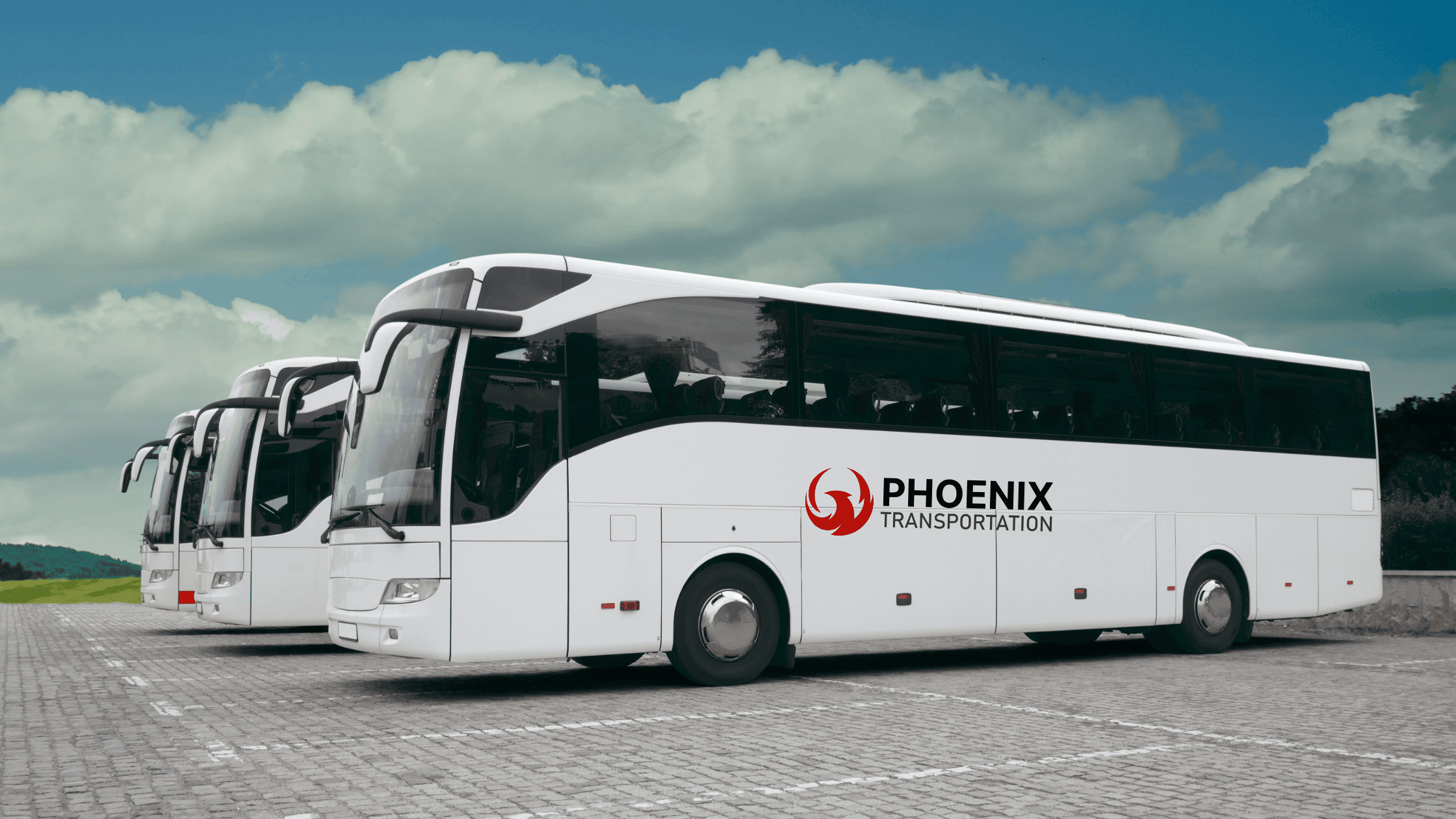

To set up an employee shuttle service in Oakland, assess routes, schedule pick-ups, choose reliable buses, ensure safety protocols, and communicate clearly with staff for smooth, efficient, and timely transportation.
Key Takeaways:
- Plan routes based on employee needs
- Use reliable vehicles and drivers
- Prioritize safety and punctuality
- Maintain clear communication with employees
Oakland’s traffic congestion, limited parking, and rising commuting costs make corporate shuttle programs an increasingly valuable benefit. Whether serving a corporate campus, healthcare facility, or industrial site, a well-managed employee shuttle can improve workforce retention and productivity while reducing single-occupancy vehicle use.
1. Assessing Employee Transportation Needs
Before launching a shuttle service, it is crucial to perform a detailed assessment of your workforce’s commuting patterns. This includes:
- Employee location mapping: Identify clusters of employees living in the same neighborhoods or along common commute routes.
- Commute timing analysis: Determine peak hours when employees need transportation to and from work.
- Surveying preferences: Conduct surveys to understand employees’ willingness to use a shuttle, preferred pick-up points, and schedule flexibility.
- Accessibility considerations: Ensure the service can accommodate employees with disabilities or special requirements in accordance with ADA transportation accessibility requirements.
A comprehensive analysis of these factors will guide route planning, vehicle selection, and scheduling to maximize efficiency and employee satisfaction.
2. Designing Shuttle Routes and Schedules
Efficient route design is the backbone of any successful employee shuttle service in Oakland. Consider the following steps:
- Route optimization: Use mapping tools or software to plan the most direct and time-saving routes, avoiding high-congestion areas when possible.
- Flexible scheduling: Offer staggered pick-up and drop-off times to cater to employees working different shifts or schedules.
- Centralized pick-up points: Designate convenient locations for boarding and disembarking to streamline operations and reduce delays.
- Contingency planning: Have alternative routes ready in case of road closures, traffic incidents, or vehicle malfunctions.
An optimized route and schedule minimize travel time, reduce operational costs, and improve employee satisfaction, encouraging consistent shuttle usage.
3. Selecting the Right Vehicles
Vehicle selection plays a pivotal role in safety, comfort, and operational efficiency. Consider these key factors:
- Capacity: Choose vehicles based on the number of employees regularly commuting. Options range from 12-passenger vans to 40-passenger buses.
- Accessibility: Ensure vehicles comply with ADA requirements for wheelchair access and other mobility considerations.
- Fuel efficiency: Opt for hybrid or electric shuttles to reduce fuel costs and minimize environmental impact.
- Safety features: Vehicles should be equipped with seat belts, GPS tracking, and emergency equipment to ensure passenger safety.
If your company needs flexibility for varying shift schedules or partial-day service, reviewing How to Choose an Hourly Private Bus Rental in Oakland can help determine whether hourly rentals or dedicated shuttles are the best fit for your operation.
4. Establishing a Management System
Running a successful shuttle service requires a robust management system to coordinate schedules, track vehicles, and handle employee feedback. Essential components include:
- Shuttle tracking software: Real-time GPS tracking allows managers to monitor shuttle locations, ensure on-time arrivals, and inform employees of delays.
- Booking and attendance system: Implement a reservation system for employees to reserve seats in advance or track usage patterns.
- Communication channels: Provide employees with timely updates via email, app notifications, or SMS regarding route changes or shuttle delays.
- Feedback mechanism: Encourage employees to provide feedback to continuously improve service quality and operational efficiency.
A well-organized management system ensures smooth operations, reduces delays, and enhances employee trust in the service.
5. Compliance and Safety Regulations
Compliance with local and federal regulations is essential when operating an employee shuttle service. Key considerations include:
- Licensing: Drivers must have valid commercial driving licenses and proper endorsements for transporting passengers.
- Insurance: Secure comprehensive commercial vehicle insurance covering both passengers and vehicles.
- Safety protocols: Train drivers on emergency procedures, defensive driving, and passenger management.
- Health guidelines: Ensure vehicles are sanitized regularly, especially during flu seasons or public health concerns, to safeguard employee well-being.
Adhering to these regulations mitigates legal risks and demonstrates a company’s commitment to employee safety.
6. Budgeting and Cost Management
Efficient cost management ensures that the shuttle service remains sustainable while providing maximum value. Key budgetary components include:
- Initial investment: Purchase or lease of vehicles, installation of tracking systems, and route planning software.
- Operational costs: Fuel, insurance, driver salaries, maintenance, and vehicle depreciation.
- Contingency funds: Set aside funds for unexpected repairs or additional vehicles during peak periods.
- Cost-sharing strategies: Encourage participation through subsidies, pre-tax commuter benefits, or partial employee contributions to reduce overall financial burden.
Careful budgeting ensures the shuttle service remains a long-term asset rather than a financial liability.
7. Promoting the Shuttle Service
Employee adoption is critical for the success of the shuttle program. Promote the service effectively by:
- Internal communication campaigns: Use emails, posters, and company newsletters to highlight the convenience, environmental benefits, and cost savings.
- Incentives for early adoption: Offer rewards or recognition for employees who use the shuttle service regularly.
- Trial periods: Launch a pilot program to gather feedback, make adjustments, and build momentum before full implementation.
- Highlighting benefits: Emphasize reduced commuting stress, time savings, and contribution to sustainability goals to encourage consistent usage.
Proper promotion ensures maximum employee engagement and optimizes the shuttle service’s impact.
8. Measuring Success and Continuous Improvement
To ensure ongoing effectiveness, continually monitor key performance indicators (KPIs) and adjust strategies accordingly:
- Ridership levels: Track the number of employees using the service regularly.
- On-time performance: Measure adherence to schedules and route efficiency.
- Employee satisfaction: Conduct regular surveys to gather feedback on comfort, convenience, and safety.
- Operational efficiency: Monitor fuel usage, maintenance costs, and staffing needs to optimize resource allocation.
Using this data allows companies to fine-tune routes, schedules, and service quality, ensuring the shuttle program remains effective and valued by employees.
9. Sustainability and Environmental Impact
Modern shuttle programs can also contribute to corporate sustainability goals:
- Eco-friendly vehicles: Utilize hybrid or electric shuttles to reduce carbon footprint.
- Reduced traffic congestion: Fewer individual car commutes alleviate traffic pressures in Oakland.
- Promoting green practices: Encourage employees to adopt shuttle commuting over personal vehicles to support environmental responsibility.
These initiatives align with corporate social responsibility goals while improving employee satisfaction and community relations.
Final Thoughts
Launching an employee shuttle service in Oakland is a forward-thinking investment that streamlines employee transportation, enhances workplace satisfaction, and promotes sustainability. By carefully assessing needs, designing efficient routes, selecting appropriate vehicles, implementing a robust management system, and monitoring performance, businesses can build a shuttle program that consistently delivers value and reliability.
For companies seeking a trusted partner for employee shuttle service in Oakland, Phoenix Transportation provides the expertise and solutions to make your program seamless and dependable.
Boost employee convenience and sustainability. Contact us today to launch your Oakland shuttle service!