
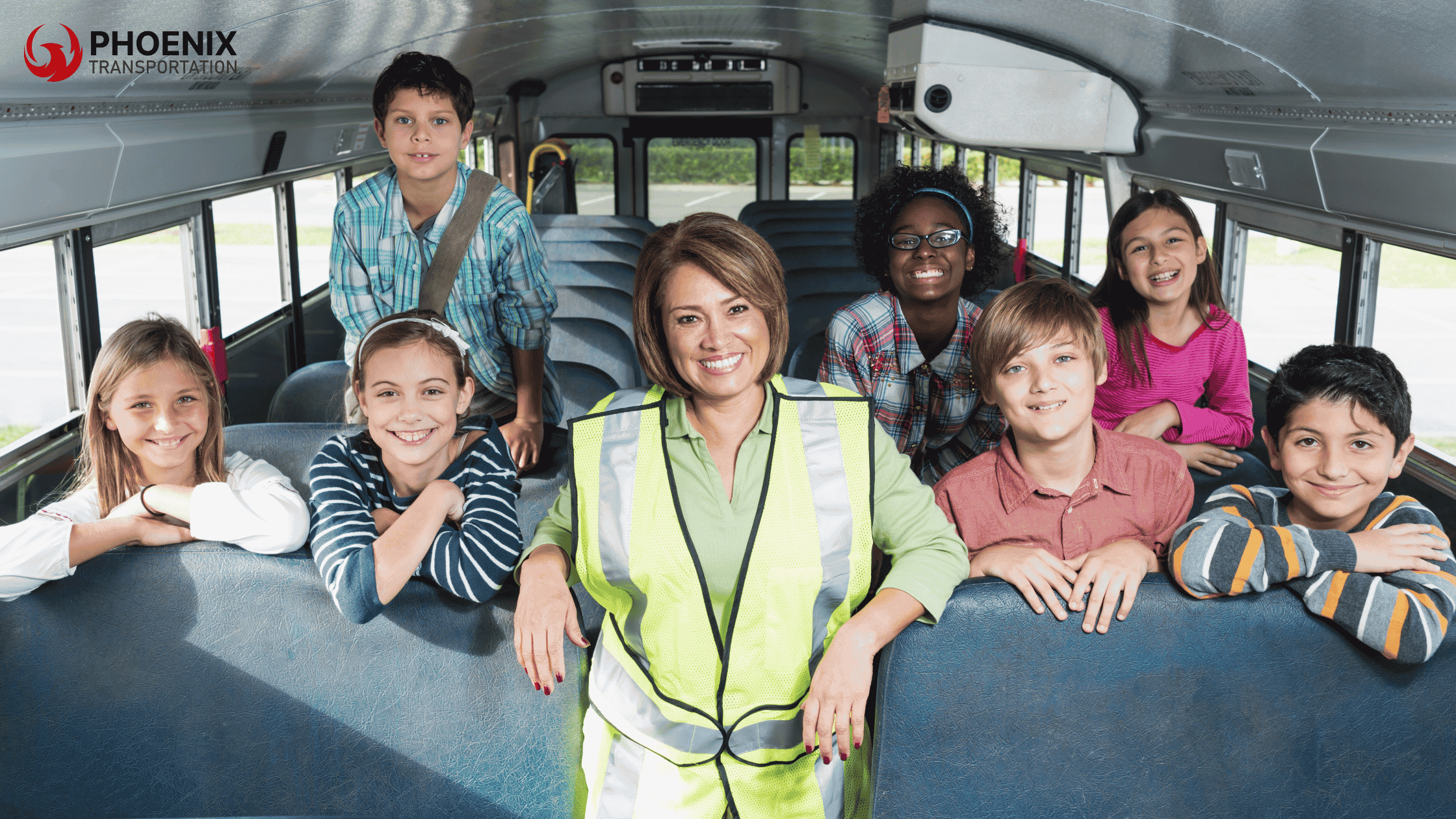
The Berkeley County Schools bus is generally very safe for students due to strict driver training, routine maintenance, GPS tracking, and enforced safety protocols. While risks can never be fully eliminated, layered safety systems significantly reduce potential hazards during transport.
Key Takeaways:
- Trained, certified bus drivers
- Regular vehicle inspections and maintenance
- GPS tracking for real-time monitoring
- Strong safety rules and procedures
- Overall, a highly controlled transport system
Ensuring student safety during daily transportation is one of the highest priorities in any school district, and when it comes to Berkeley County Schools bus safety, parents naturally want clear, honest, and detailed information. Every morning and afternoon, hundreds of students rely on school buses as their primary mode of transport, making safety standards, driver training, vehicle maintenance, and operational protocols essential components of a trustworthy system.
In this comprehensive guide, we explore how safe the Berkeley County Schools bus system truly is, what measures are in place, and how these systems work together to protect students from the moment they board the bus until they arrive safely at school or home.
Comprehensive Safety Standards in Berkeley County School Transportation
The foundation of school bus safety begins with strict adherence to federal, state, and district-level regulations. Berkeley County Schools follows structured transportation policies designed to ensure that every bus operating under its system meets or exceeds safety expectations.
Key safety standards include:
- Regular safety inspections before and after routes
- Compliance with Department of Transportation (DOT) regulations
- Strict adherence to school transportation safety guidelines
- Mandatory reporting and monitoring of all vehicle performance
According to the National Highway Traffic Safety Administration (NHTSA), school buses are designed with some of the highest safety standards in the transportation system, with strong crash protection and federal safety requirements.
These structured requirements ensure that every bus is consistently evaluated for safety readiness, minimizing risks before students even step on board.
Highly Trained and Certified School Bus Drivers
One of the strongest safety pillars of the Berkeley County Schools bus system is its focus on driver qualification and continuous training. Drivers are not only required to obtain commercial driving credentials but also to undergo extensive background checks and safety training.
Drivers must typically:
- Pass a thorough background screening
- Hold a valid Commercial Driver’s License (CDL) with passenger and school bus endorsements
- Complete defensive driving training programs
- Participate in ongoing safety education and evaluations
- Learn child management and emergency response procedures
This ensures that every driver is prepared to handle both routine transportation and unexpected road situations with professionalism and care.
Strict Bus Maintenance and Inspection Protocols
A major factor in determining how safe the Berkeley County Schools bus system is involves the maintenance of its fleet. School buses undergo consistent inspections and preventive maintenance schedules to ensure mechanical reliability.
Maintenance procedures typically include:
- Daily pre-trip and post-trip inspections
- Routine checks of brakes, tires, lights, and engine systems
- Scheduled mechanical servicing and part replacements
- Immediate repairs for any identified safety concerns
- Compliance with state-mandated inspection cycles
By prioritizing preventative maintenance, the district significantly reduces the likelihood of mechanical failures during student transport.
Advanced Safety Features Installed in School Buses
Modern school buses used within Berkeley County Schools are equipped with advanced safety features designed specifically to protect students in various conditions.
These features often include:
- High-visibility reflective markings
- Stop-arm signals to control traffic during loading/unloading
- Reinforced structural framing for crash protection
- Cushioned seating with high seat backs for impact absorption
- Emergency exits, including roof hatches and rear doors
- GPS tracking systems for real-time monitoring
- Surveillance cameras for behavior and security monitoring
These built-in safety technologies ensure both proactive and reactive protection during daily operations.
Student Safety Rules and Behavioral Guidelines
Safety is not only about the bus and driver, but it also depends on student behavior. Berkeley County Schools implements clear conduct guidelines to maintain order and reduce risks while students are onboard.
Students are expected to follow rules such as:
- Remaining seated while the bus is moving
- Keeping hands, head, and belongings inside the bus
- Avoiding loud or disruptive behavior
- Following instructions from the bus driver at all times
- Boarding and exiting the bus in an orderly manner
To reinforce these expectations, drivers are trained to manage behavior calmly while maintaining focus on safe driving.
Emergency Preparedness and Response Procedures
An important aspect of evaluating how safe the Berkeley County Schools bus is for students lies in how well the system prepares for emergencies. School transportation teams conduct regular emergency drills and training exercises.
Emergency preparedness includes:
- Evacuation drills practiced with students and drivers
- Clear procedures for accidents, breakdowns, or road hazards
- Communication protocols between drivers, dispatch, and school officials
- First aid training for drivers and transportation staff
- GPS-based emergency location tracking for rapid response
These measures ensure that in the rare event of an emergency, swift and organized action is taken to protect students.
Monitoring Systems and Real-Time Tracking Technology
Modern transportation systems rely heavily on technology, and Berkeley County Schools integrates monitoring tools to improve both safety and efficiency.
These systems may include:
- GPS tracking for real-time bus location updates
- Route optimization systems to reduce travel time and risk exposure
- Digital communication between drivers and dispatch teams
- Automated alerts for delays or route changes
- Video surveillance systems inside buses for security monitoring
With these technologies in place, school administrators can actively monitor transportation conditions and respond quickly when needed.
Weather and Road Safety Management
Weather conditions can significantly impact transportation safety, and Berkeley County Schools implements protocols to address this challenge effectively.
During adverse conditions such as heavy rain, fog, or storms:
- Bus routes may be delayed or adjusted for safety
- Drivers are instructed to reduce speed and increase caution
- Schools communicate updates to parents through official channels
- Emergency response plans are activated when necessary
These precautionary measures ensure that student safety is always prioritized over schedule adherence.
Parental Role in Enhancing Bus Safety
While the transportation system is highly regulated, parents also play an important role in reinforcing safety practices.
Parents can contribute by:
- Ensuring children arrive at the bus stop on time
- Teaching children proper boarding and exiting behavior
- Encouraging awareness of traffic safety near bus stops
- Communicating any concerns to school transportation officials
- Staying informed about route updates and school announcements
A collaborative approach between parents and schools strengthens overall safety outcomes.
Continuous Improvement in Transportation Safety
Berkeley County Schools consistently reviews and updates its transportation policies to align with evolving safety standards. Feedback from drivers, parents, and school officials is used to enhance operations.
Ongoing improvements may include:
- Updating fleet vehicles with newer safety technologies
- Expanding driver training programs
- Improving communication systems with parents
- Enhancing emergency preparedness procedures
- Strengthening route planning for efficiency and safety
This commitment to continuous improvement reflects a proactive approach to student protection.
Final Assessment: How Safe Is The Berkeley County School Bus For Students?
Based on established safety protocols, advanced vehicle technology, trained personnel, and strict operational standards, the Berkeley County Schools bus system, along with trusted bus transportation providers like Phoenix Transportation, is designed to provide a high level of safety for students. While no transportation system can eliminate all risks, the combination of preventive measures, monitoring systems, and structured procedures significantly reduces potential hazards.
Parents can feel reassured knowing that student safety remains a central priority across every level of the transportation system, from maintenance and driver training to emergency preparedness and real-time monitoring.
Ultimately, school bus transportation in Berkeley County is built on a strong foundation of responsibility, accountability, and continuous improvement, ensuring students are transported as safely as possible each day.