
December freight rates are driven by peak seasonal demand, tight carrier capacity, winter weather risks, fuel cost adjustments, and year-end inventory movements, all of which intensify competition for reliable transportation and predictable delivery timelines.
Key Takeaways:
- Seasonal demand peaks accelerate shipment volumes
- Limited carrier capacity increases pricing pressure
- Winter weather adds operational risk and delays
- Fuel and compliance costs influence final rates
December freight rates are notoriously volatile, influenced by peak seasonal demand, constrained carrier capacity, winter weather, and year-end inventory movements. Understanding these factors is essential for logistics planners, supply chain managers, and organizations shipping goods across North America. In this blog, Phoenix Transportation San Francisco provides an in-depth December freight outlook, actionable strategies for cost control, and guidance on navigating winter shipping challenges efficiently.
Macroeconomic Signals Influencing December Shipments
December operates at the intersection of fiscal deadlines and consumer demand cycles. We identify several macro-level indicators that consistently influence logistics pricing and shipment availability. National freight movement data further reinforces these pressures, as freight flow data from the U.S. Department of Transportation highlights how year-end shipment volumes surge across key corridors, tightening capacity nationwide.
- Year-End Budget Utilization: Enterprises accelerate shipments to align with annual financial planning.
- Retail Inventory Rebalancing: Warehouses push final restocking waves ahead of post-holiday slowdowns.
- Contractual Closeouts: Shippers finalize commitments before new-year renegotiations.
- Port and Rail Congestion: Seasonal bottlenecks impact inland freight fluidity.
These forces combine to tighten capacity and elevate pricing benchmarks across freight and passenger transportation alike.
Capacity Constraints and Carrier Availability
Carrier capacity remains the most decisive variable in December transportation planning. Insights from the Bureau of Transportation Statistics (BTS) illustrate how workforce availability, fleet utilization, and infrastructure limitations converge to create significant pricing pressure during peak months.
We observe:
- Driver Availability Compression: Holiday schedules reduce workforce participation.
- Equipment Allocation Challenges: Fleets prioritize high-margin lanes.
- Maintenance Downtime: Deferred servicing earlier in the year converges into December.
- Weather-Induced Disruptions: Snow and ice directly impact transit reliability.
This environment creates a premium on proactive scheduling and trusted provider relationships.
Fuel Markets and Cost Transmission
Fuel price volatility directly impacts operational cost structures. During December, fuel markets often experience:
- Increased demand due to heating oil consumption.
- Refinery maintenance overlaps.
- Weather-related supply interruptions.
These elements exert upward pressure on transportation pricing models. Industry participants closely monitor fuel price trends from the U.S. Energy Information Administration to adjust routes and operational planning effectively. We mitigate exposure through route optimization, fuel-efficient fleet utilization, and strategic dispatch coordination.
For additional strategies to cut winter transportation costs, see our post on Fleet Efficiency Tips to Cut Costs in Winter Freight Planning.
Urban Freight and Passenger Transportation Intersections
In dense metropolitan areas like San Francisco, freight logistics increasingly intersect with group mobility needs. Commercial districts experience:
- Increased congestion from delivery vehicles.
- Higher demand for managed group transport solutions.
- Stricter compliance and access restrictions.
We align freight awareness with passenger logistics, supporting businesses hosting corporate events while ensuring punctual and compliant transport execution. To learn how specialized event transport improves efficiency, see Event Transportation Services Tips For San Francisco Festivals.
December Demand Peaks and Planning Imperatives
Organizations that succeed in December adopt a structured approach to transportation planning. We recommend prioritizing:
- Early Capacity Reservations: Securing vehicles weeks in advance.
- Route Contingency Mapping: Preparing alternates for weather disruptions.
- Load Consolidation: Reducing per-unit transport costs.
- Communication Protocols: Real-time updates across stakeholders.
These practices directly influence cost control and service reliability.
Regional Weather Patterns and Their Impact
Weather remains a decisive December variable. From coastal rains to mountain snowfall, transportation strategies must adapt dynamically. Seasonal leisure travel increases demand for ski trips transportation, placing additional pressure on vehicle availability in alpine corridors.
Our operational planning integrates meteorological intelligence, ensuring route safety and schedule integrity without compromising service standards.
Strategic Role of Professional Transportation Partners
Reliable transportation providers offer more than vehicles; they deliver certainty. We differentiate our services through:
- Fleet Diversity: Coaches, minibuses, and shuttles optimized for varied group sizes.
- Experienced Operators: Professionals trained for winter driving conditions.
- Regulatory Compliance: Adherence to local and interstate transport requirements.
- Operational Transparency: Clear pricing and scheduling accountability.
This comprehensive approach supports both freight-adjacent movements and specialized events transportation needs.
Data-Driven Insights on December Pricing Trends
Historical data confirms that December freight rates consistently peak due to synchronized demand surges. Our analysis reveals:
- Short-haul routes experience sharper price increases than long-haul corridors.
- Urban congestion amplifies last-mile delivery costs.
- Premium pricing correlates strongly with time-sensitive shipments.
Understanding these dynamics empowers organizations to make informed scheduling and budgeting decisions.
Mitigation Strategies for Cost Stability
We implement proven methodologies to stabilize transportation costs during December:
- Advance Booking Incentives
- Shared Load Coordination
- Off-Peak Scheduling
- Multi-Day Movement Planning
These strategies reduce exposure to spot-market volatility while maintaining service reliability.
Outlook for the Remainder of December
As December progresses, we anticipate continued pressure on capacity, particularly during the final two weeks. December freight rates will remain sensitive to weather events and last-minute demand spikes. Organizations that partner with experienced providers gain a measurable advantage in predictability and execution quality.
Why Phoenix Transportation San Francisco Remains the Preferred Choice
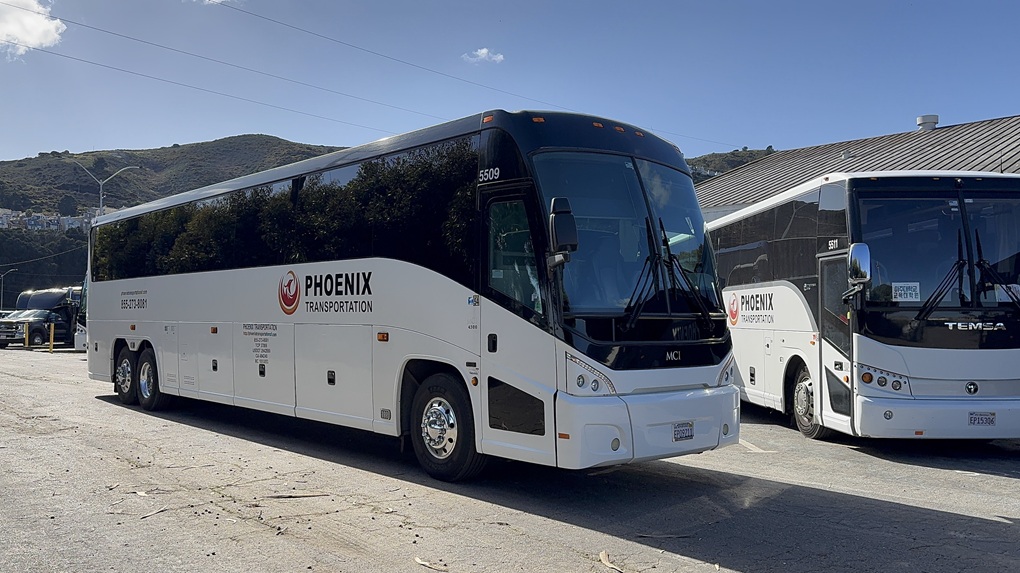
Our reputation is built on consistency, foresight, and execution excellence. As a trusted bus rental in San Francisco, we support enterprises, institutions, and planners navigating December’s complexities with confidence.
Key differentiators include:
- Proven December operational experience
- Local market expertise
- Scalable fleet solutions
- Commitment to punctuality and safety
Final Strategic Insights
December is not a month for reactive transportation decisions. It demands foresight, trusted partnerships, and data-informed execution. We continue to guide our clients through seasonal challenges with clarity, precision, and professionalism, ensuring every movement aligns with operational and financial objectives.
Book now to secure reliable transportation capacity, lock in strategic scheduling, and move into the season with confidence and control.