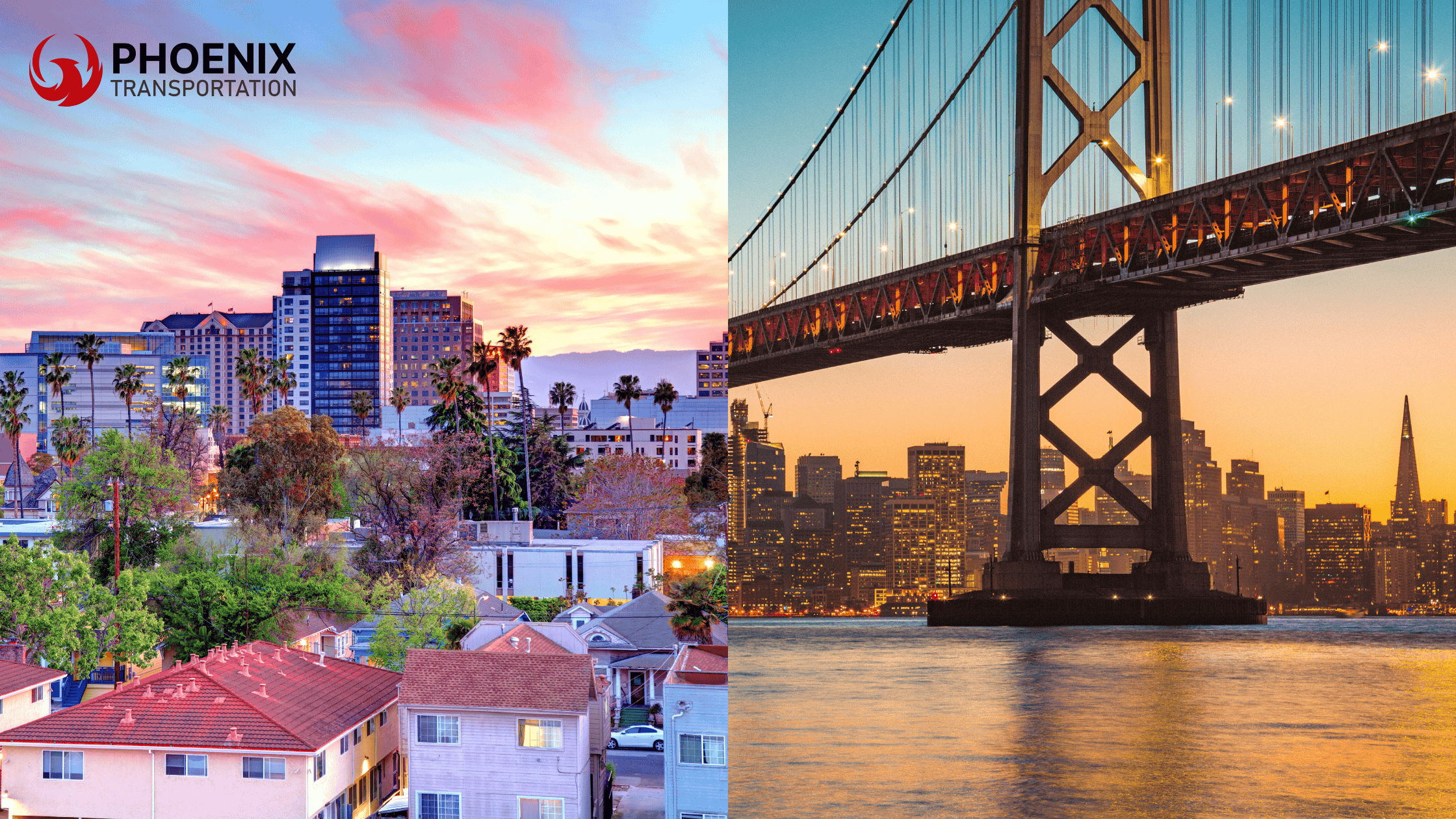
The trip spans about 48 miles (77 km); how far is San Jose from San Francisco by bus typically means 1–1.5 hours, depending on traffic, route, and stops.
Key takeaways
- Distance: ~48 miles (77 km)
- Bus time: ~1–1.5 hours
- Traffic and stops affect duration
Travel between two of Northern California’s most influential cities is a common need for commuters, tourists, students, and business travelers alike. San Jose and San Francisco are closely connected by culture, economy, and transportation infrastructure, making bus travel a practical and increasingly popular option. This guide delivers a complete, authoritative overview of bus travel between these cities, covering distance, travel time, routes, amenities, costs, and planning considerations with clarity and precision.
Distance Between San Jose and San Francisco
The driving distance between San Jose and San Francisco is approximately 48 to 50 miles, depending on the specific route taken and the departure and arrival points within each city. The most frequently used corridors include U.S. Highway 101 and Interstate 280, both of which directly connect Silicon Valley to the heart of San Francisco.
The question how far is San Jose from San Francisco is often asked by travelers planning efficient transportation, and the answer remains consistent across most travel methods: the cities are close enough for same-day travel, yet far enough to require reliable planning.
If you have extra time in San Jose, consider exploring some of its highlights. Our guide on San Jose Tourist Attractions That Make Great Photo Spots is perfect for planning sightseeing between trips.
Average Bus Travel Time
Bus travel time between San Jose and San Francisco typically ranges from 1 hour 15 minutes to 2 hours, influenced by several key factors:
- Traffic congestion during peak commuting hours
- Weather conditions
- Route selection (Highway 101 vs. I-280)
- Number of intermediate stops
Tip: Mid-day and late-evening departures are often faster, while morning and late-afternoon trips may face heavier commuter traffic. For traffic updates, visit the U.S. Department of Transportation.
Why Choose Bus Travel Between These Cities
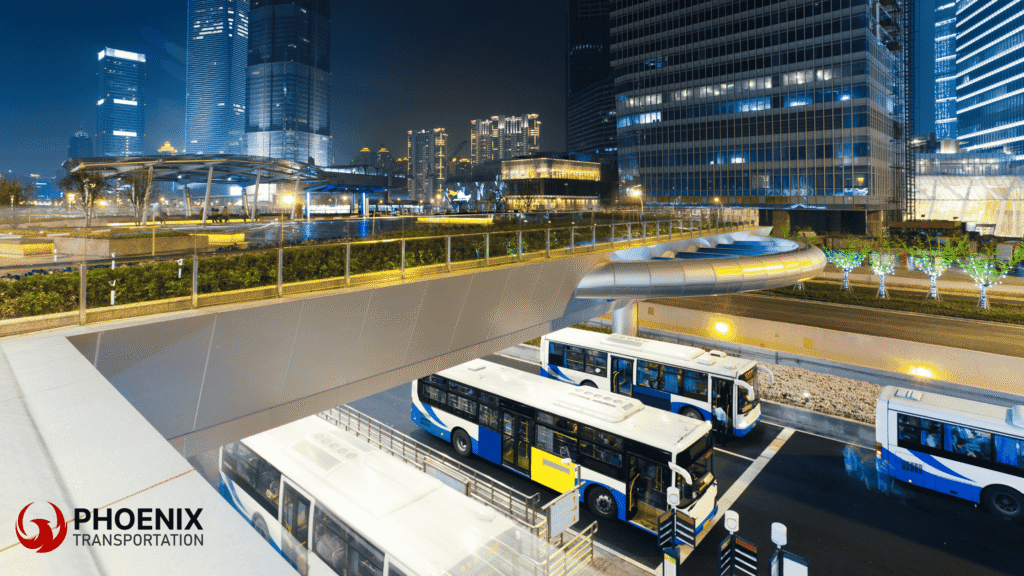
Bus transportation offers a balance of affordability, comfort, and environmental responsibility. It remains a preferred option for travelers seeking a stress-free journey without the complications of driving or parking in dense urban centers.
Key advantages include:
- Cost-effective pricing compared to private vehicles
- No parking fees or fuel expenses
- Reduced travel fatigue
- Lower carbon footprint per passenger
- Reliable scheduling with multiple daily departures
Professional providers such as Phoenix Transportation San Francisco further enhance the experience by offering dependable service, modern fleets, and experienced drivers familiar with Bay Area routes.
Major Bus Routes and Highways
U.S. Highway 101 Route
This is the most commonly used route, passing through major Peninsula cities such as Palo Alto, Mountain View, and Redwood City. While this corridor offers accessibility, it is also more susceptible to traffic delays.
Interstate 280 Route
Often referred to as the scenic route, I-280 runs closer to the foothills and generally experiences smoother traffic flow. Many premium and express services favor this route for faster travel times.
Departure and Arrival Points
San Jose Bus Departure Locations
- Downtown San Jose transit centers
- Diridon Station area
- Central business district pickup points
San Francisco Arrival Locations
- Downtown San Francisco terminals
- Civic Center area
- Financial District and Market Street corridors
Strategically placed terminals allow seamless access to local transit systems, rideshare services, and pedestrian-friendly neighborhoods.
Bus Amenities and Onboard Comfort
Modern bus services between San Jose and San Francisco prioritize passenger comfort and productivity. Typical onboard features include:
- Reclining seats with ample legroom
- Free Wi-Fi connectivity
- USB and power outlets
- Climate-controlled interiors
- Clean onboard restrooms on select routes
These amenities transform the journey into an opportunity for work, relaxation, or entertainment.
Ticket Pricing and Cost Expectations
Bus fares between San Jose and San Francisco generally range from $10 to $30, depending on demand, service level, and booking time. Early reservations often secure lower prices, while last-minute bookings may carry a premium.
Factors influencing ticket costs include:
- Time of day
- Day of the week
- Express vs. standard service
- Seasonal travel demand
Discounts may be available for students, seniors, and frequent travelers.
Best Times to Travel by Bus
To ensure the most efficient journey, timing plays a crucial role.
Recommended travel windows:
- Mid-morning (9:30 AM – 11:30 AM)
- Early afternoon (1:00 PM – 3:30 PM)
- Late evening (after 7:30 PM)
Avoiding peak commuter hours significantly reduces travel time variability and enhances comfort.
Luggage Policies and Storage
Most bus services allow passengers to bring:
- One carry-on bag
- One or two checked bags are stored in the undercarriage compartments
Oversized or additional luggage may incur extra fees. Clear labeling and compliance with weight limits ensure smooth boarding and unloading.
Accessibility and Passenger Support
Bus transportation between these cities is designed to accommodate diverse passenger needs. Many services are offered:
- Wheelchair-accessible vehicles
- Priority seating
- Assistance for passengers with mobility challenges
Advance notice is recommended to ensure the availability of accessibility features.
Environmental Benefits of Bus Travel
Choosing bus travel contributes positively to sustainability efforts across California. Compared to single-occupancy vehicles, buses significantly reduce:
- Greenhouse gas emissions
- Fuel consumption
- Traffic congestion
For environmentally conscious travelers, bus transportation aligns with responsible travel practices without sacrificing convenience.
Comparing Bus Travel to Other Transportation Options
Bus vs. Car
- No parking hassles
- Predictable costs
- Reduced stress
Bus vs. Train
- Often more affordable
- Greater route flexibility
- More frequent departures
Bus vs. Rideshare
- Lower per-trip cost
- Professional drivers
- Better luggage accommodation
Planning Tips for a Seamless Trip
- Book tickets early to secure preferred departure times
- Monitor traffic forecasts during peak seasons
- Arrive at departure points at least 15 minutes early
- Keep digital tickets accessible on mobile devices
- Pack essentials in carry-on luggage
Final Thoughts on Bus Travel Between San Jose and San Francisco
Bus travel between San Jose and San Francisco offers an efficient, economical, and comfortable solution for navigating one of California’s most traveled corridors. With flexible scheduling, modern amenities, and reliable routes, especially when choosing a trusted provider like Phoenix Transportation San Francisco, it remains a practical choice for daily commuters and occasional travelers alike. Thoughtful planning and timing transform this short-distance journey into a smooth and productive experience.
Secure your seat today. Book now for reliable, comfortable bus travel between San Jose and San Francisco.