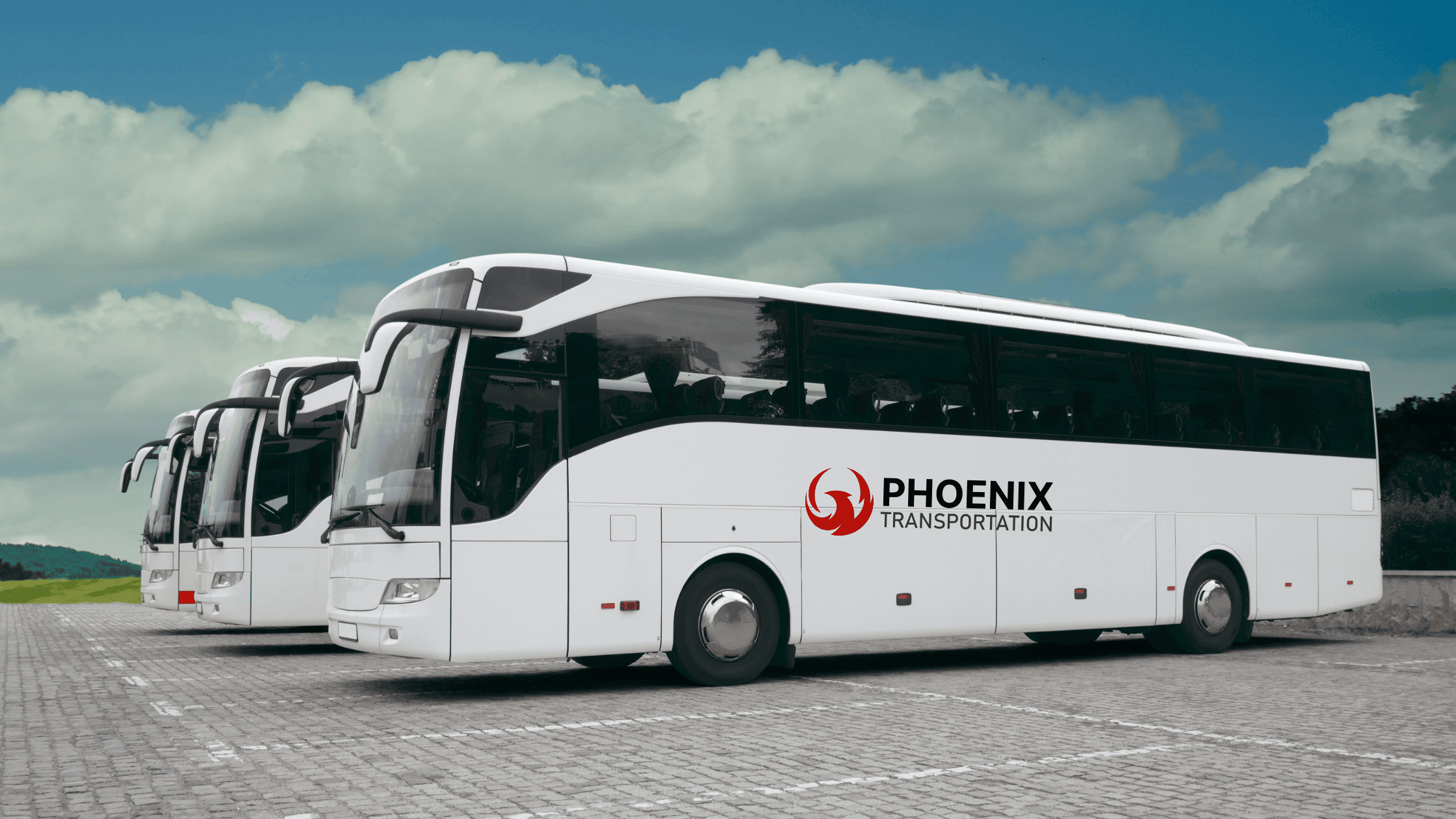

Employee commuting has become a growing challenge for businesses of every size. Rising fuel prices, heavier traffic, limited parking, and increasing expectations for workplace benefits have changed how companies think about transportation. An employee shuttle program is no longer reserved for large corporations like technology giants or manufacturing plants. Today, businesses across healthcare, logistics, hospitality, education, and corporate offices are investing in shuttle services to improve employee satisfaction and operational efficiency.
Research on employer-sponsored transportation has shown that improving the commute experience can increase productivity while encouraging employees to shift from single-occupancy vehicles to shared transportation. Companies can also reduce parking demand and help ease congestion around business districts.
If your organization is experiencing hiring challenges, attendance issues, or rising parking costs, it may be time to consider an employee shuttle solution. Here are the five biggest signs.
Why Employee Transportation Has Become a Business Priority
For many employees, the workday starts long before they arrive at the office. Long commutes, traffic congestion, and unreliable public transportation often create stress that affects mood and productivity before work even begins. Employers have started recognizing that transportation isn’t simply an employee responsibility; it’s part of the overall workplace experience.
An employee shuttle program removes much of that uncertainty. Workers enjoy a predictable commute, while businesses benefit from improved punctuality, higher morale, and better retention. Instead of worrying about parking or delayed trains, employees can relax, answer emails, or prepare for the day during the ride.
Sign 1: Your Employees Struggle With Long and Stressful Commutes
One of the clearest indicators that your business needs a shuttle service is frequent complaints about commuting. If employees regularly mention heavy traffic, expensive fuel, crowded buses, or unreliable transit, these frustrations eventually impact workplace performance.
Commute-related stress contributes to fatigue and lower engagement. When employees arrive exhausted every morning, their focus, creativity, and motivation often suffer. Studies examining employer-sponsored transportation found that improving travel experiences can positively influence productivity while encouraging more efficient commuting habits.
A company shuttle provides consistency. Employees know when they’ll arrive, spend less time searching for parking, and begin their workday with less stress.
Sign 2: Hiring and Retention Are Becoming More Difficult
Recruiting skilled workers has become increasingly competitive. Salary remains important, but job seekers now compare workplace flexibility, wellness initiatives, and commuter benefits before accepting an offer.
Transportation assistance can become a valuable differentiator. Candidates who live farther away may feel more comfortable accepting positions when reliable transportation is available. Existing employees are also less likely to leave if commuting becomes easier and less expensive.
According to industry experts, shuttle programs often improve employee retention because they remove one of the biggest daily frustrations workers experience: the commute. Companies may even recover their investment through reduced turnover and lower recruiting expenses.
Sign 3: Parking Is Expensive or Limited
Parking shortages are a common challenge in busy cities and expanding business campuses. Constructing additional parking facilities requires significant capital, while leasing nearby parking lots adds ongoing operating costs.
An employee shuttle can reduce the number of individual vehicles arriving each day. Instead of hundreds of employees driving separately, many can travel together using centralized pickup locations.
| Challenge | Without Shuttle | With Shuttle Program |
|---|---|---|
| Parking demand | High | Lower |
| Traffic congestion | Heavy | Reduced |
| Employee parking costs | Higher | Often reduced |
| Space utilization | Limited | More efficient |
Many organizations discover that reducing parking demand can offset a significant portion of shuttle operating expenses over time.
Sign 4: Productivity and Attendance Are Declining
Do employees frequently arrive late because of traffic? Are absenteeism rates increasing during bad weather or periods of heavy congestion?
Transportation reliability directly affects attendance. When workers depend on multiple transit connections or unpredictable traffic conditions, delays become unavoidable.
An employee shuttle creates consistency. Employees follow a dependable schedule, HR receives fewer attendance-related issues, and managers spend less time adjusting workloads because someone is stuck in traffic.
Reliable transportation also improves employee well-being. Workers who aren’t focused on driving can use commuting time to relax, read, prepare for meetings, or simply reduce stress before arriving at work.
Sign 5: Your Company Has Sustainability Goals
Many organizations have committed to reducing carbon emissions and improving environmental performance. Transportation often represents a significant portion of a company’s indirect environmental impact.
High-capacity shuttle buses replace dozens of single-occupancy vehicles, reducing congestion and lowering overall emissions. Industry estimates suggest that one full shuttle can replace approximately 40 to 50 individual car trips during a commute, creating measurable environmental benefits alongside reduced traffic.
Beyond sustainability reporting, environmentally responsible transportation also strengthens employer branding. Customers, investors, and prospective employees increasingly appreciate organizations that invest in practical green initiatives.
Is an Employee Shuttle Worth the Investment?
Every business should evaluate transportation based on workforce size, employee locations, parking availability, and operating costs.
While launching a shuttle program requires planning, the long-term advantages often outweigh the investment. Companies can improve employee satisfaction, reduce turnover, optimize parking resources, and strengthen recruitment efforts. Businesses with multiple shifts, manufacturing facilities, distribution centers, healthcare campuses, or offices located far from reliable public transportation typically see the greatest value.
Before implementation, employers should survey employees to understand commuting patterns, preferred pickup locations, and work schedules. Transportation studies have shown that factors such as travel time and commuting costs strongly influence employees’ willingness to use employer-sponsored transportation.
Conclusion
An employee shuttle program is more than a transportation benefit; it’s a strategic investment in your workforce. If your business is experiencing stressful employee commutes, recruitment challenges, expensive parking, attendance issues, or sustainability pressures, these are strong indicators that a shuttle solution deserves serious consideration.
Organizations that make commuting easier often create happier employees, stronger retention, improved productivity, and a better overall workplace experience. As urban congestion continues to grow, employee transportation will likely become an even more valuable competitive advantage.